


Imagine this. You’re on a vacation you booked in the United Kingdom, and you forfeit a large sum of money. It was not stolen from your hotel room. You did not have a medical emergency. The money disappeared because you were playing the Zeppelin Crash Game, a high-stakes online betting game. Would your travel insurance cover that loss? The answer is complicated. It depends completely on the small print in your policy, how UK law interprets gambling, and the exact details of what happened. This article dissects those layers. We’ll move past the initial shock to a practical review of contracts, exclusions, and the real chance of getting a claim paid. We’ll consider what the insurance company would likely say, what arguments a customer might try, and what this implies for anyone blending new digital entertainment with travel.
Understanding the Zeppelin Crash Game Mechanics
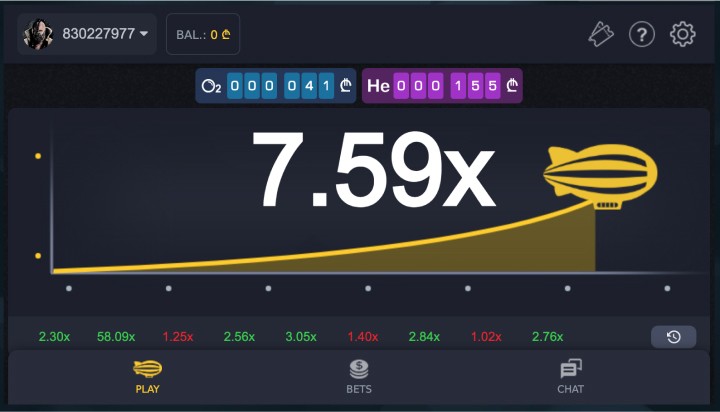
To evaluate an insurance claim, you need to know what the loss actually is. The Zeppelin Crash Game is an online betting game that employs cryptocurrency. Players place a bet on a multiplier connected with an animation of a rising zeppelin. The game operates until the zeppelin “crashes” at a random moment, determined by a provably fair algorithm. To win, you need to cash out before the crash and collect your multiplied stake. If you’re too slow, you surrender everything you put into that round. The game is tense and can provide big returns, but its core is clear: it’s gambling. It’s a game of chance, not skill, where you wager money on an uncertain outcome. Under UK law, this falls under gambling regulations managed by the Gambling Commission. That means any financial loss is, first and foremost, a gambling loss. This classification is the greatest single barrier to any travel insurance claim. The fact the game uses crypto adds a layer of complexity, but it doesn’t change its basic legal nature in the UK.
Likely Claim Avenues and Associated Feasibility
A straightforward claim for the lost bet will practically surely fail. But a policyholder could look at different, less direct angles in their policy wording. One can argue, for example, that the distress from the loss caused a medical or psychological issue needing treatment abroad. This may try to trigger the medical expenses section. Insurers would probably fight this on causation. Many policies also exclude conditions that result from illegal acts or deliberate risk-taking. Another approach could involve theft or fraud. If someone hacked the game platform or stole funds during a transaction, this could conceivably fall under a “loss of money” section. This assumes the policy doesn’t have a gambling exclusion that overrides it. Proving the loss was due to criminal action rather than the normal game mechanics would be a tough evidential hurdle. A marginally more plausible, though still difficult, argument could involve “cancellation or curtailment.” If the gambling loss left the traveller completely penniless and physically unable to continue the holiday, forcing an early return home, they might try this. Even then, insurers would focus on the voluntary nature of the loss and point to the gambling exclusion.
Useful Actions Following a Substantial Gambling Loss Abroad
What should a traveller do if they experience a crippling financial loss from something like the Zeppelin Crash Game while on a UK-booked holiday? The initial steps are practical and serious. First, confirm you are protected and have basic welfare handled. Reach out to friends or family for emergency support if you must. Inform your tour operator or hotel if you might not be able to pay your expenses, as they may have hardship procedures. Second, concerning insurance, study your policy wording thoroughly before you phone the insurer. Expect a quick rejection based on the gambling exclusion. Making a claim anyway creates a formal record, which you need if you later go to the Financial Ombudsman Service. But maintain your expectations low. Third, seek independent advice from a citizen’s advice bureau or a consumer rights lawyer. They will probably confirm the exclusion is legally solid. Fourth, consider contacting the Gambling Commission if you suspect the gaming platform itself was unfair or illegal. Finally, treat this as a hard lesson in separating risks. Money you employ for speculative entertainment should be ring-fenced from your essential travel funds. Never depend on it to pay for your trip.
Regulatory Environment and the FOS
If an insurer denies a claim for a Zeppelin Crash Game loss, the policyholder in the UK can bring the case to the Financial Ombudsman Service (FOS). The FOS resolves disputes based on what is “fair and reasonable.” They look at good industry practice, not just the strict legal terms. Past FOS decisions on gambling and insurance demonstrate a clear pattern. The Ombudsman consistently supports gambling exclusions as valid and enforceable, as long as they were clearly communicated in the policy. The FOS is not likely to force an insurer to pay for a voluntary gambling loss. They might, however, check if the exclusion clause was prominent and easy to understand. If the wording was unusually vague or the insurer processed the claim poorly, the FOS could grant some compensation for distress. This wouldn’t cover the gambling loss itself. The regulatory framework therefore supports the insurer’s stance. The Gambling Commission separately oversees the game operators, focusing on fairness and preventing harm, not on insuring player losses.
Contrasting Travel Insurance with Gambling Consumer Protections
It helps to evaluate the purpose of travel insurance with the consumer protections in the UK’s regulated gambling industry. Travel insurance is a contractual product that covers certain risks and has defined exclusions. The Gambling Commission’s system, on the other hand, focuses on licensing operators, ensuring games are fair, protecting vulnerable people, and offering routes for self-exclusion and complaints. Some protections, like deposit limits, are preventative. If a player believes the Zeppelin Crash Game operator acted unfairly or broke its licence rules, they can file a complaint to the operator, then to an Alternative Dispute Resolution (ADR) scheme, and finally to the Gambling Commission. But none of these channels will refund losses just because a bet lost. They handle procedural unfairness, not the risk of the market. This split underscores a basic truth: travel insurance and gambling regulation exist in separate worlds. One does not compensate for the limits of the other. A traveller’s loss from a crash game, unless there was operator malpractice, is a personal liability. It’s a risk taken knowingly in a regulated but unforgiving market.
The Essential Importance of Policy Wording and Disclosure
Any bid to claim hinges entirely on the specific wording of that person’s travel insurance document. It is essential to get and read the full policy wording before you acquire the insurance, and definitely before you seek to make a claim. You must hunt for the exact phrasing of the gambling exclusion. Some older policies might have more limited exclusions, perhaps only stating “in a casino” or “on-track betting,” but this is infrequent now. More modern policies often specifically name “online gambling” or “interactive gambling services.” The definition of “loss” also counts. Does it only mean physical cash, or does it include digital currency transfers? When applying for insurance, companies sometimes ask about high-risk activities. If you didn’t reveal frequent or high-stakes gambling when asked, the insurer could potentially void the entire policy for non-disclosure. That would cancel any other claims from your trip. The policyholder has the obligation of proving their claim complies with the policy terms. Any argument must be formed carefully around the precise language in the document, not on a general feeling of unfairness.
Wider Implications for Journey and Novel Digital Risks
This situation highlights a widening gap between standard insurance and the modern digital risks travelers face. A contemporary holiday often entails ongoing digital activity, from handling cryptocurrency wallets to playing online games. Standard travel insurance was created for concrete problems like stolen luggage or a hospital visit. It finds it hard to categorise and react to these abstract, behaviour-driven financial losses. The lesson for consumers is significant: ordinary insurance is not a safety net for risky financial activities, no matter how they are presented as games. The responsibility falls on the traveller to realize that activities like the Zeppelin Crash Game sit wholly outside the scope of travel risk protection. This could spark a debate about whether niche insurance products could ever insure such losses. The inherent moral hazard and the challenge of assessing the risk make this improbable. For the near future, the line continues distinct. Travel insurance protects against certain unforeseen events that disrupt a trip. It does not back your betting decisions, regardless of the platform or the game’s theme.
Usual Travel Insurance Policy Exclusions for Gambling Losses
We should review the typical exclusions in a UK travel insurance policy. Nearly all of them feature clear clauses that refuse to cover losses from gambling or betting. The wording is usually broad and offers little ambiguity. A common example excludes “any loss resulting from gambling, betting, or wagering of any kind, including the loss of money or valuables in such activities.” This language aims to cover everything: casino games, sports bets, lottery tickets, and, by logical extension, online chance games like Zeppelin Crash. Insurance companies argue that covering gambling losses poses a moral hazard. It would encourage risky behaviour by offering a financial backup plan. They also view gambling as a voluntary financial speculation, not an unforeseen accident in the usual sense of insurance. The insurer’s position would be simple: the customer decided to take part in a known risky activity and assumed the risk of loss. This exclusion constitutes the strongest part of an insurer’s defence. It makes a successful claim for the direct gambling loss very remote, and most likely impossible.
The importance of individual accountability and financial caution
This review always reverts to individual accountability. Trip coverage exists to ease the impact of unexpected, often unintentional troubles—like a theft, an disease, or a sudden storm. Opting to engage in a high-stakes betting Game Zeppelin Crash Information like Zeppelin Crash is a predictable financial risk. You engage in it willingly, conscious you could forfeit all. The game’s appeal relies on that uncertainty. Expecting an protection policy, funded by all insured parties, to absorb the outcomes of such a decision opposes the core principle of mutual protection against standard perils. Sound risk management for today’s traveler means setting a firm distinction between money for travel security and money for entertainment speculation. It means reading the limitations in an coverage agreement as the real limit of what’s protected, not just fine print. In the UK’s legal and regulatory environment, the distinction between insured misfortune and unprotected betting remains firm. The Zeppelin Crash Game situation is a stark illustration of this separation. Some dangers, no matter how virtual their presentation, stay solidly with the player who accepts them.